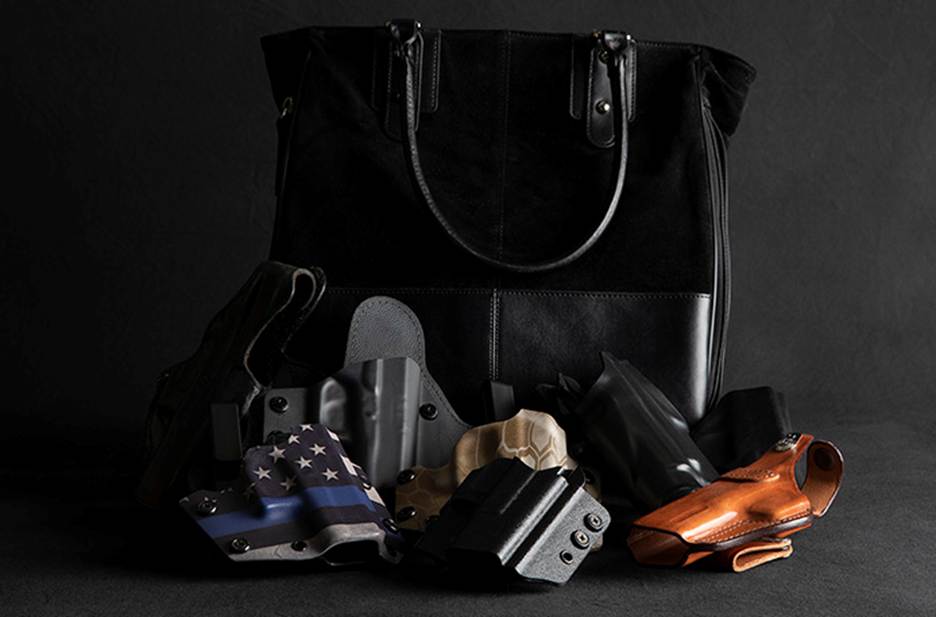
When considering the various methods of concealment there are several things that should be considered. When carrying a concealed handgun, the weapon should be fully concealed. This means that it should not be “imprinting” or readily recognizable at a glance by others. However it is concealed, you should be able to access it quickly, if needed. The manner that the weapon is concealed should not be overly uncomfortable causing the person to favor the area, or constantly readjust it due to discomfort. Finally, the manner in which the weapon is concealed should offer a form of security and ability to retain the weapon. These considerations are sometimes referred to as the competing needs of holsters.
The “Competing” needs of holsters:
- Concealability
- Speed/Access
- Comfort
- Security
There are hundreds of holsters/carriers to facilitate your carrying of a concealed weapon. These can be found on the internet, major sporting goods stores, or gun stores. Do some research and try out what you like best. The following provides some additional holster considerations and options:
- Leather vs. Nylon/Kydex
- Inside the waistband (IWB)
- Outside the waistband (OWB)
- Off body carry
- Purse
- Fanny or Waist Pack
- Day-Timer or Briefcase
- Specialty clothing
Police Contact
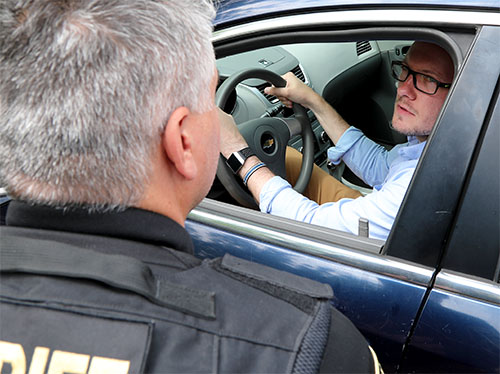

When contacted by the police what should you do?
- Traffic Stop-Keep both hands on the wheel/door frame, calmly inform officer you are in possession of a Firearm. Ask them what they want you to do.
- They will probably ask you where the gun is—DON’T REACH FOR IT!
If you are transporting a weapon in another state, and you do not have a CHL authorizing you to carry concealed in that state keep the gun and ammo separate (inaccessible).
Source: Multnomah County Sheriff’s Office CHL Prep. chlprep.mcso.us/chlprep/
 Firearm Safety Team (FST)