
General Principles (Applicable to All Firearms)
Stance: A stable and balanced stance is the foundation of accurate shooting.
Pistol: Isosceles or Weaver stance.
Rifle: Standing, kneeling, sitting, or prone.
Shotgun: Similar to rifle, but with an emphasis on fluid movement.
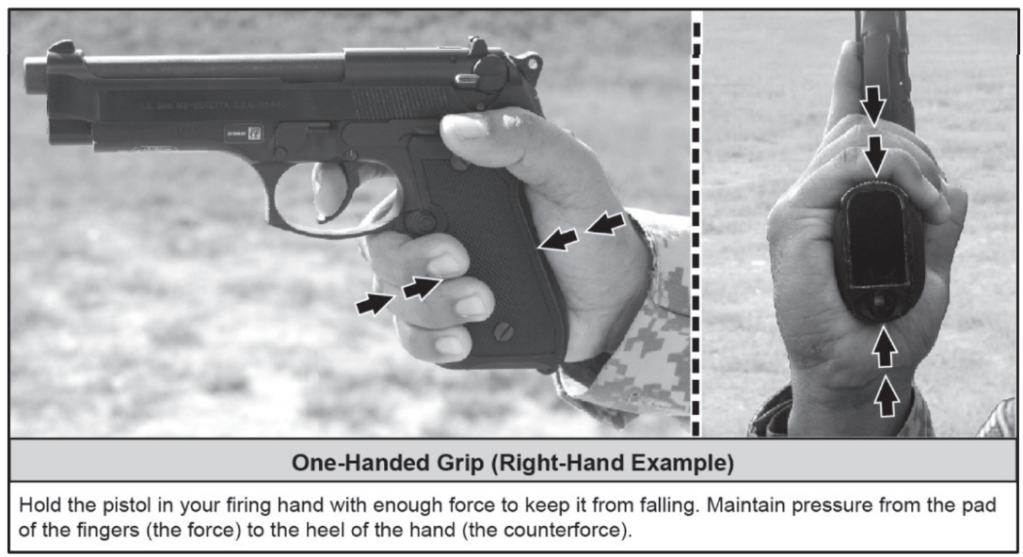
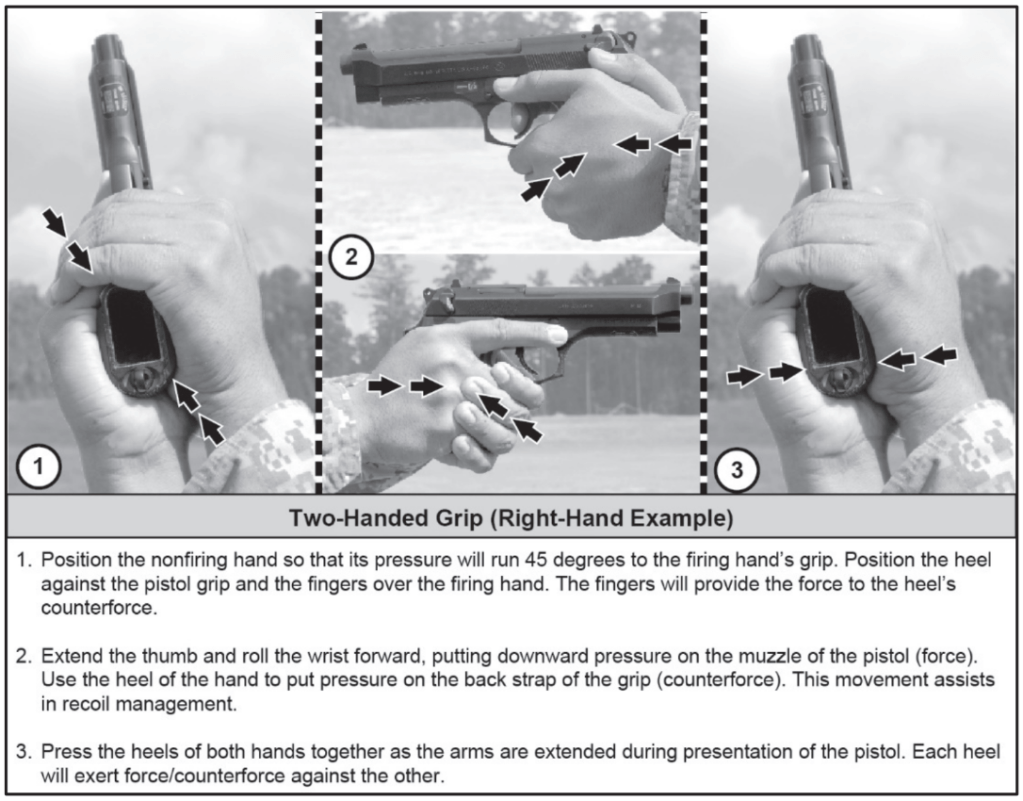
Grip: A firm, consistent grip is essential for controlling recoil and maintaining accuracy.
Pistol: High grip for recoil control.
Rifle: Firm grip on the pistol grip and forend.
Shotgun: Similar to rifle.
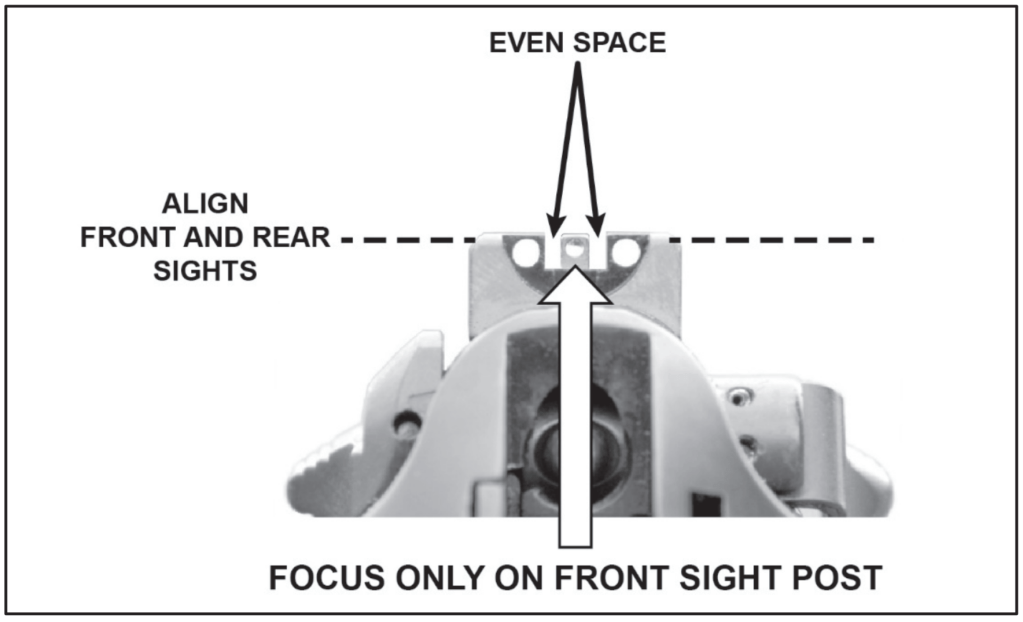
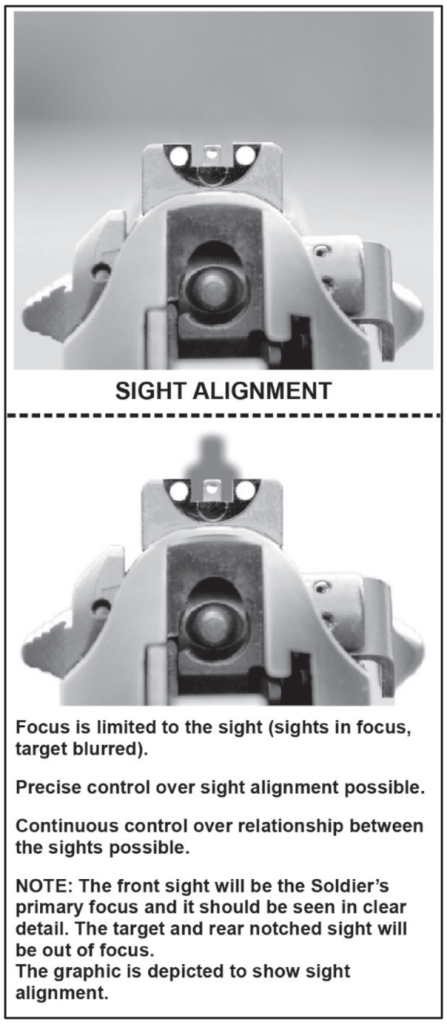
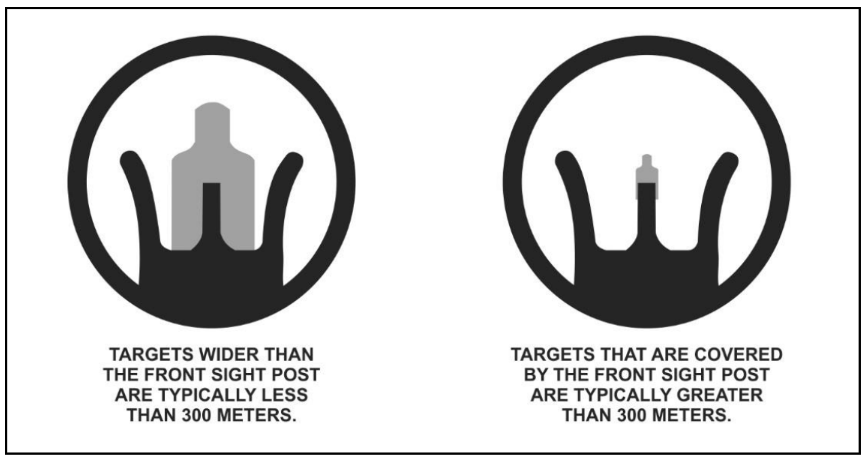
Sight Alignment/Picture: Correctly aligning the sights is crucial for placing shots accurately.
Pistol/Rifle: Aligning the front and rear sights with the target.
Shotgun: Focusing on the target and using the shotgun’s rib or bead as a reference.
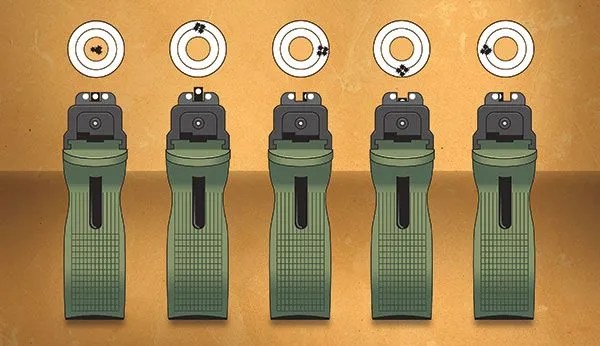
Trigger Control: Smooth, consistent trigger pull is essential to avoid jerking the firearm.
Breathing Control: Controlling your breathing helps to minimize movement during firing.
Follow-Through: Maintaining your sight picture and trigger control after the shot is fired.
Pistol Marksmanship
Focus on Front Sight: The front sight should be the sharpest object in your sight picture.
Recoil Management: A firm grip and proper stance help to manage recoil.
Practice: Pistol marksmanship requires consistent practice.
Rifle Marksmanship
Natural Point of Aim: Finding your natural point of aim minimizes muscle tension.
Use of Support: Using a rest or sling can significantly improve accuracy.
Scope Adjustment: Understanding how to adjust your scope is essential for long-range accuracy.
Shotgun Marksmanship
Lead: Understanding how much lead to give a moving target is crucial.
Swing: A smooth, consistent swing is essential for hitting moving targets.
Patterning: Understanding your shotgun’s pattern helps you to choose the right choke and load.
Key Resources
National Rifle Association (NRA): nrainstructors.org/
Civilian Marksmanship Program (CMP): thecmp.org/
U.S. Army Training Manuals
Important Notes
Marksmanship is a skill that requires consistent practice. Always prioritize safety.
 Firearm Safety Team (FST)